Imakatsu Oni Viral RS
Condition:
Brand New. May include items displayed in stores.
Features:
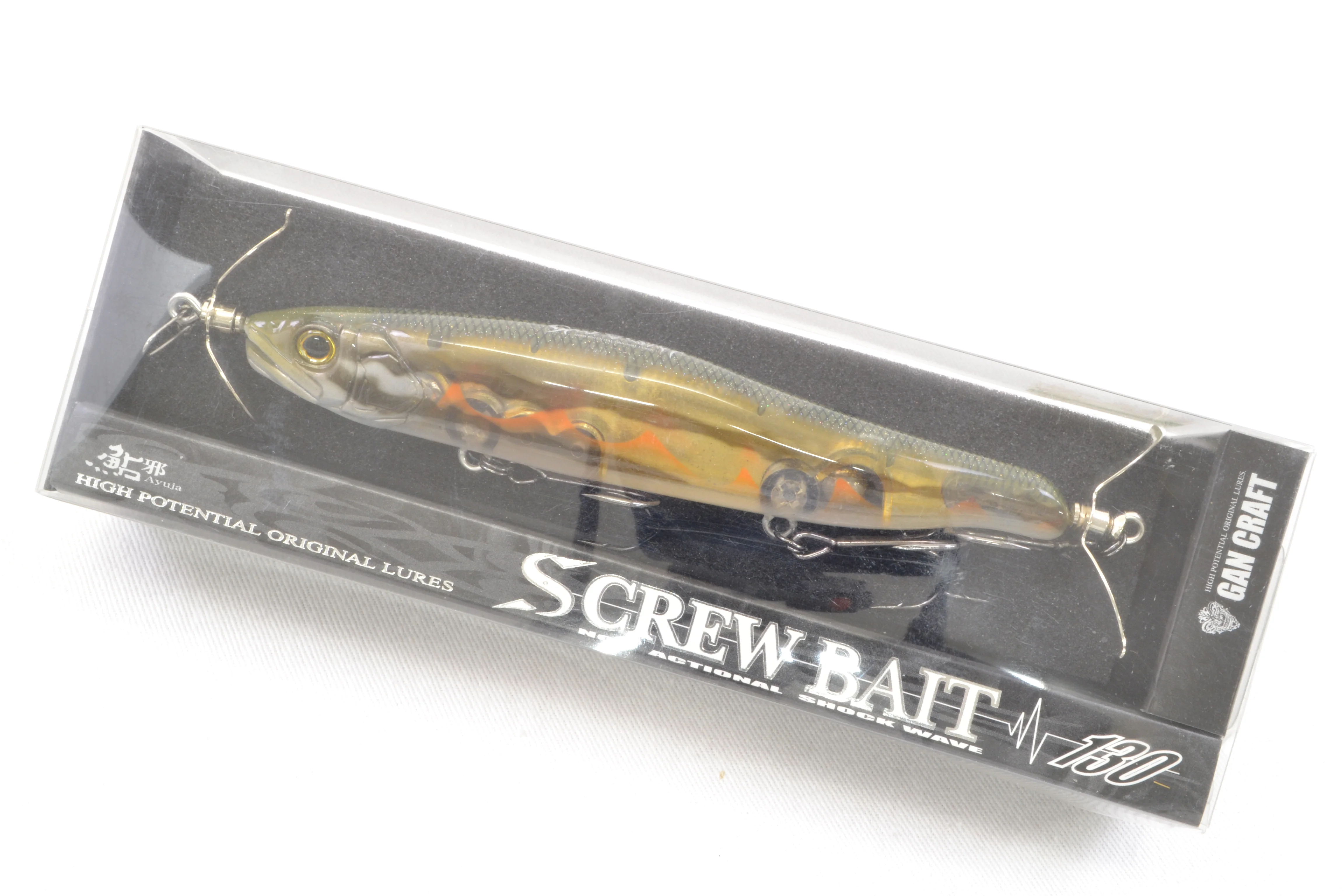
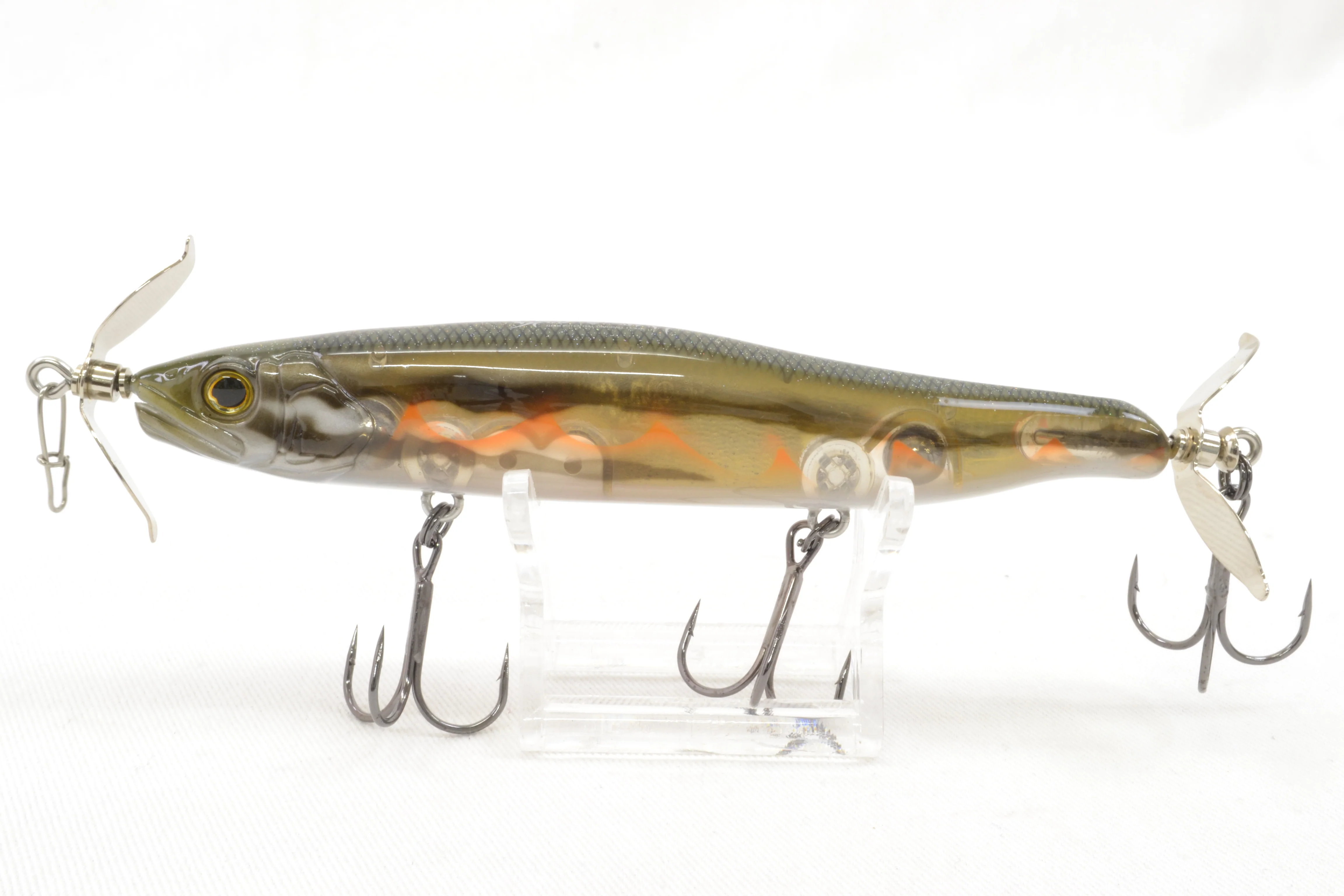
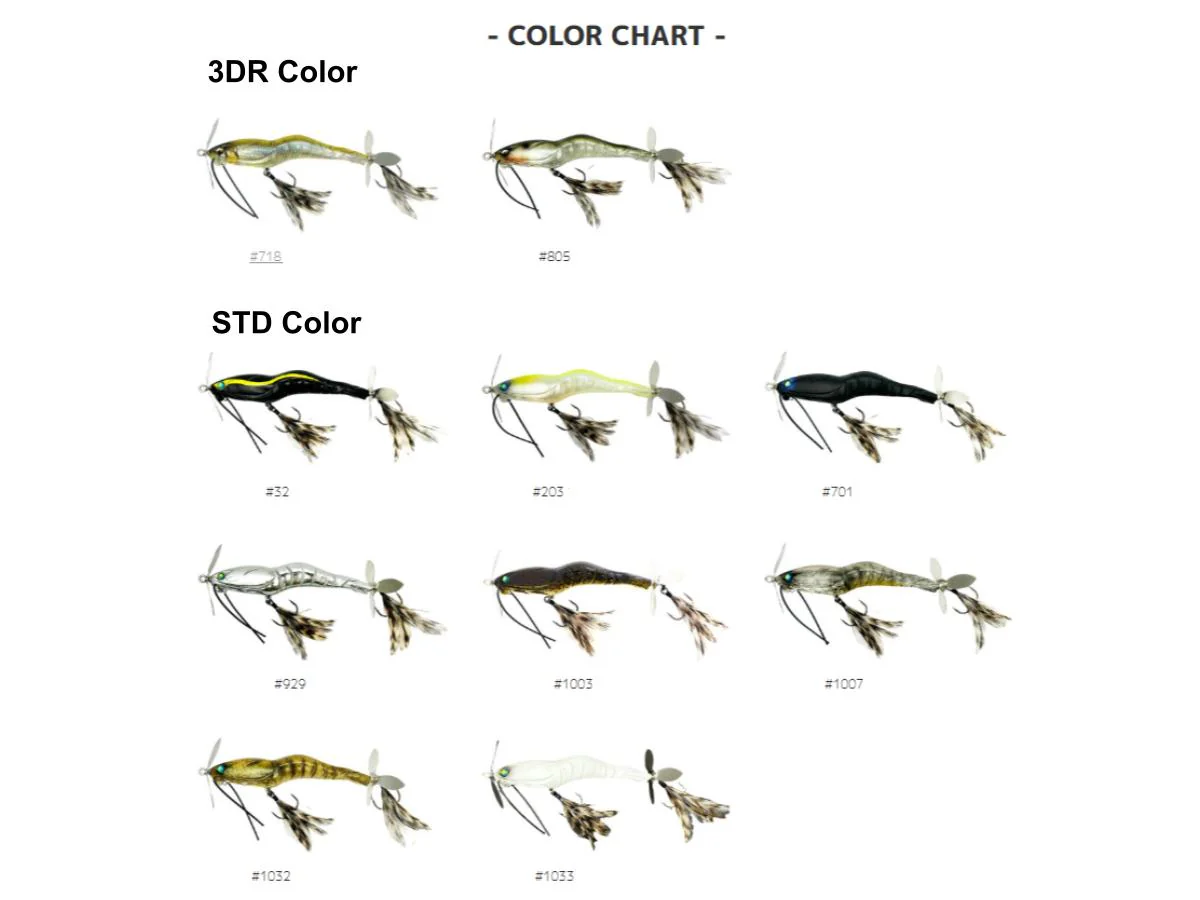
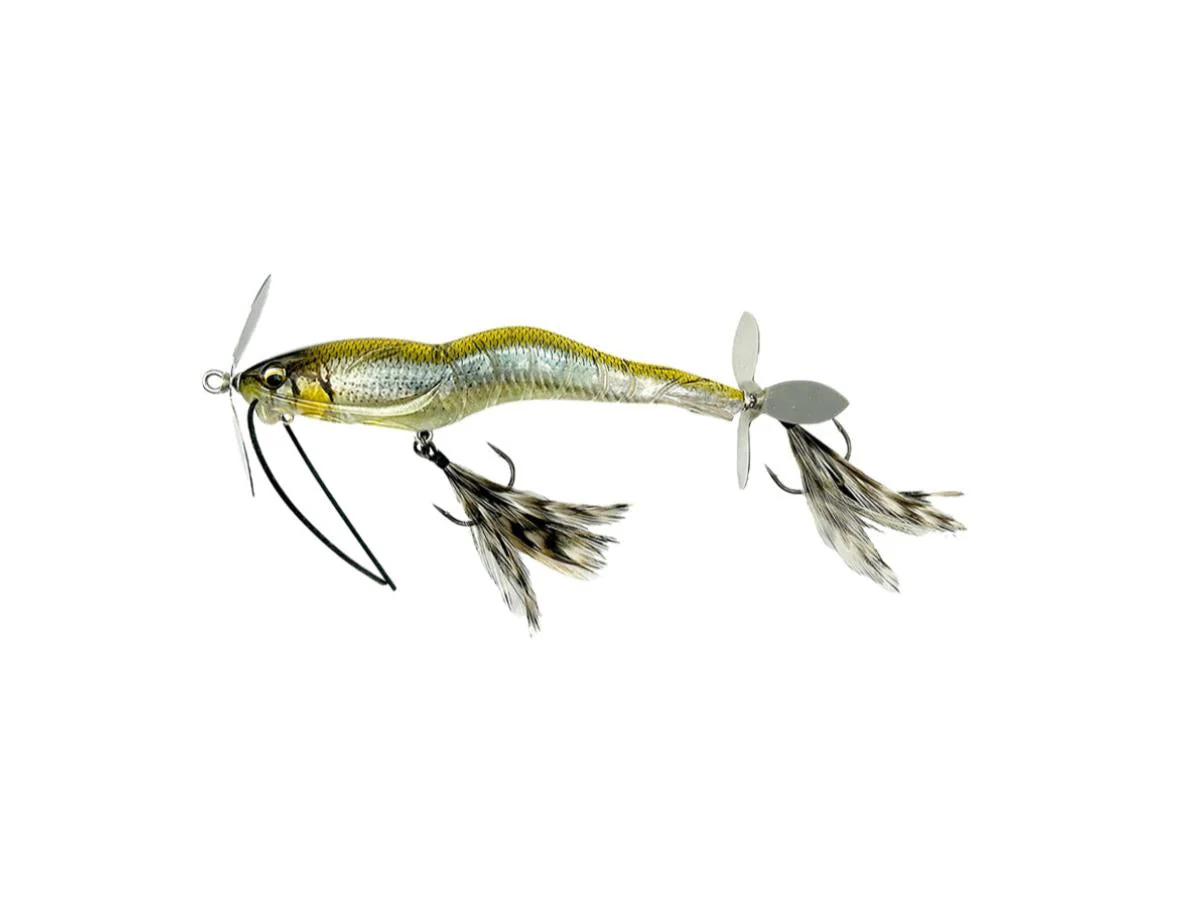
Even at an ultra-dead slow retrieve, the spinning front and back props create an amplified, synchronized wave action that directly triggers a fish's predatory instinct.
The biggest feature is the newly developed, Imakatsu-original "Synchronized Prop System," which uses a 2-blade front prop and a 3-blade rear prop. Ideally, it would be best to use a 2-blade prop on both the front and back to churn a lot of water. However, the rear prop cannot receive 100% of the water that hits the lure, which led to this unique design.
The reason is the turbulent flow created by the rotation of the front prop and the water hitting the body. With topwater lures, the water-receiving area is limited to the lower half, causing the rear prop of a two-prop system to rotate at only about half the speed of the front prop. Even more so, the slower the retrieve, the more it stops rotating—a critical issue for this type of lure.
The basic way to use it is simple: just a slow retrieve at the absolute slowest speed that allows the props to spin. Masahiko Kono says that in contrast to the Aventa RS, which excels at catching bass feeding on insects, the Oni Viral RS was developed to target bass feeding on baitfish with a slow approach. Therefore, a slow retrieve speed reminiscent of the Aventa RS is just right.
Original: $19.37
-70%$19.37
$5.81More Images


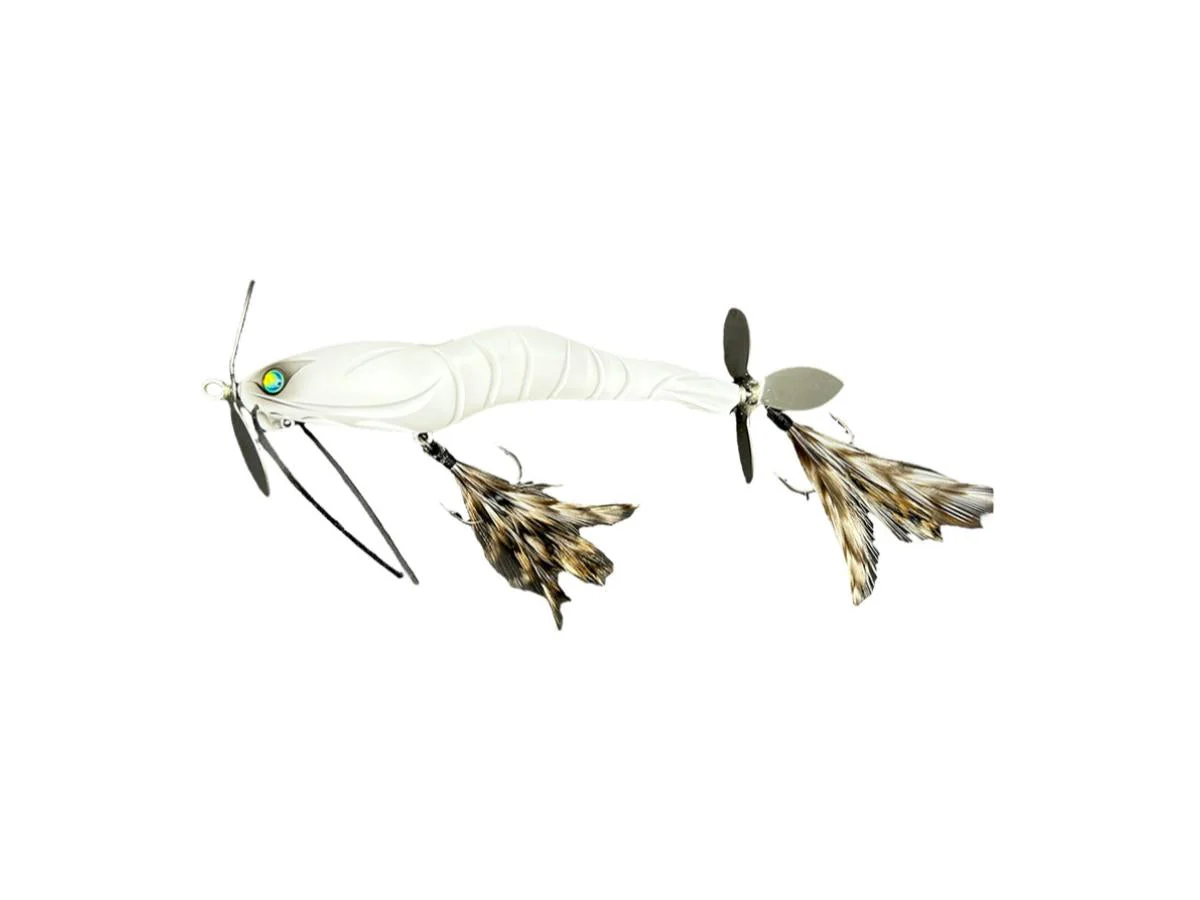
Imakatsu Oni Viral RS
Condition:
Brand New. May include items displayed in stores.
Features:
Even at an ultra-dead slow retrieve, the spinning front and back props create an amplified, synchronized wave action that directly triggers a fish's predatory instinct.
The biggest feature is the newly developed, Imakatsu-original "Synchronized Prop System," which uses a 2-blade front prop and a 3-blade rear prop. Ideally, it would be best to use a 2-blade prop on both the front and back to churn a lot of water. However, the rear prop cannot receive 100% of the water that hits the lure, which led to this unique design.
The reason is the turbulent flow created by the rotation of the front prop and the water hitting the body. With topwater lures, the water-receiving area is limited to the lower half, causing the rear prop of a two-prop system to rotate at only about half the speed of the front prop. Even more so, the slower the retrieve, the more it stops rotating—a critical issue for this type of lure.
The basic way to use it is simple: just a slow retrieve at the absolute slowest speed that allows the props to spin. Masahiko Kono says that in contrast to the Aventa RS, which excels at catching bass feeding on insects, the Oni Viral RS was developed to target bass feeding on baitfish with a slow approach. Therefore, a slow retrieve speed reminiscent of the Aventa RS is just right.
Product Information
Product Information
Shipping & Returns
Shipping & Returns
Description
Condition:
Brand New. May include items displayed in stores.
Features:
Even at an ultra-dead slow retrieve, the spinning front and back props create an amplified, synchronized wave action that directly triggers a fish's predatory instinct.
The biggest feature is the newly developed, Imakatsu-original "Synchronized Prop System," which uses a 2-blade front prop and a 3-blade rear prop. Ideally, it would be best to use a 2-blade prop on both the front and back to churn a lot of water. However, the rear prop cannot receive 100% of the water that hits the lure, which led to this unique design.
The reason is the turbulent flow created by the rotation of the front prop and the water hitting the body. With topwater lures, the water-receiving area is limited to the lower half, causing the rear prop of a two-prop system to rotate at only about half the speed of the front prop. Even more so, the slower the retrieve, the more it stops rotating—a critical issue for this type of lure.
The basic way to use it is simple: just a slow retrieve at the absolute slowest speed that allows the props to spin. Masahiko Kono says that in contrast to the Aventa RS, which excels at catching bass feeding on insects, the Oni Viral RS was developed to target bass feeding on baitfish with a slow approach. Therefore, a slow retrieve speed reminiscent of the Aventa RS is just right.